
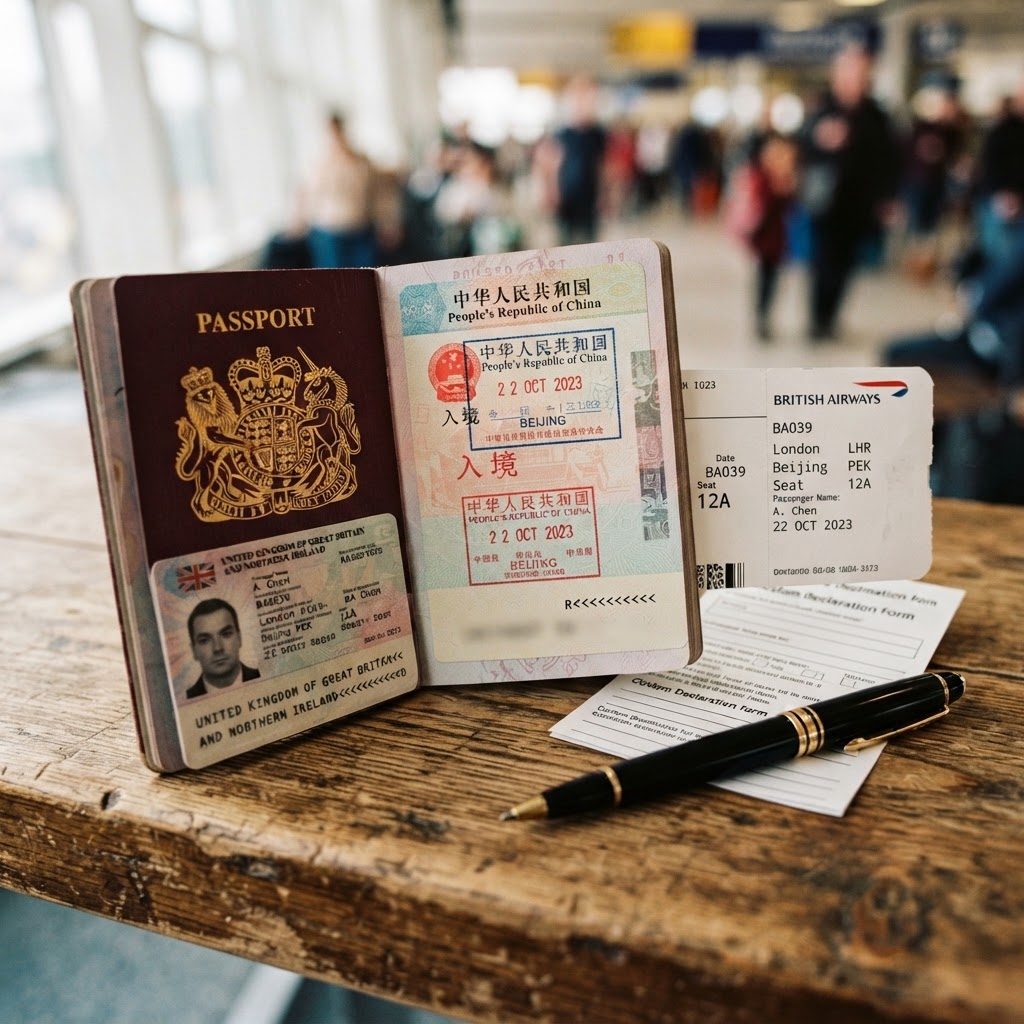
Learn the essential differences between X1 and X2 visas for your academic journey in China to ensure your entry documents are prepared for your specific course.
Applying for a student visa is a critical step in your journey to study in China. Understanding the difference between an X1 and X2 visa is vital to ensure you remain compliant with local regulations throughout your academic program. Whether you choose a [bachelor degree in China](/bachelor-degree-china) or a [master degree in China](/master-degree-china), your visa type is determined primarily by the duration of your studies.
## Understanding the X1 Visa
The X1 visa is designed for international students who plan to study in China for a period longer than 180 days. This is the standard visa for most degree-seeking students, including those pursuing long-term language training or undergraduate and graduate diplomas. One of the most important aspects of the X1 visa is that it serves as a gateway to your residency status. Upon arrival in China, you must convert your X1 visa into a residence permit. This permit allows you to reside in the country for the duration of your study program and typically permits multiple entries, making it easier to travel and return during semester breaks.
## Understanding the X2 Visa
The X2 visa is intended for students participating in short-term courses, exchange programs, or language training that lasts less than 180 days. Unlike the X1 visa, the X2 is generally issued as a single-entry visa and cannot be converted into a residence permit. If you are planning a shorter stint of study, such as a summer language course found in our [programs](/programs) database, this is likely the category you will fall under. It is important to note that if your plans change and you decide to extend your studies beyond the original 180-day window, you will often need to leave China and reapply for the appropriate status.
## Required Documentation for Both Visas
Regardless of which visa you require, the administrative burden of your application relies on two specific documents provided by your host institution:
* Admission Notice: This document confirms your formal acceptance into a university program.
* JW202 Form: This is an official document issued by the Chinese education authorities confirming your status as an international student.
Without these two documents, your visa application cannot proceed. We recommend reviewing our [admissions guide](/admissions-guide) to ensure you have all your paperwork organized well before your departure date.
## Planning Your Financial Requirements
As you prepare for your visa, you should also consider the financial scope of your stay. Tuition across our 30 partner universities generally ranges from USD 3,200 to USD 6,000 per year, with a median cost of USD 4,300. Additionally, monthly living expenses typically range from USD 350 to USD 750 depending on the city. To help manage these costs, many students look into various [China scholarships](/china-scholarships) such as the fully funded Chinese Government Scholarship (CSC), which covers tuition, accommodation, a monthly stipend, and medical insurance. Other options include regional grants like the Beijing Government Scholarship or the Shanghai Government Scholarship.
## Meeting Academic Standards
Your visa application is part of a larger academic process. Ensure you meet the language requirements for your chosen level of study. Generally, bachelor entry requirements are an IELTS score of 6.0 or HSK level 4, while master entry requirements are an IELTS score of 6.5 or HSK level 5. Check these details against your intended university requirements before finalizing your plans.
## Next Steps
If you have questions about your specific academic path or need clarification on the documentation required for your visa application, we are here to assist. Contact our team today for a free assessment with an advisor to discuss your eligibility and next steps for a successful application.